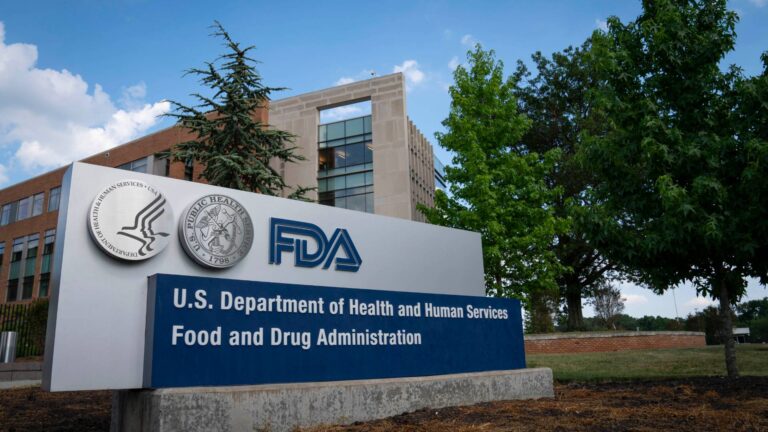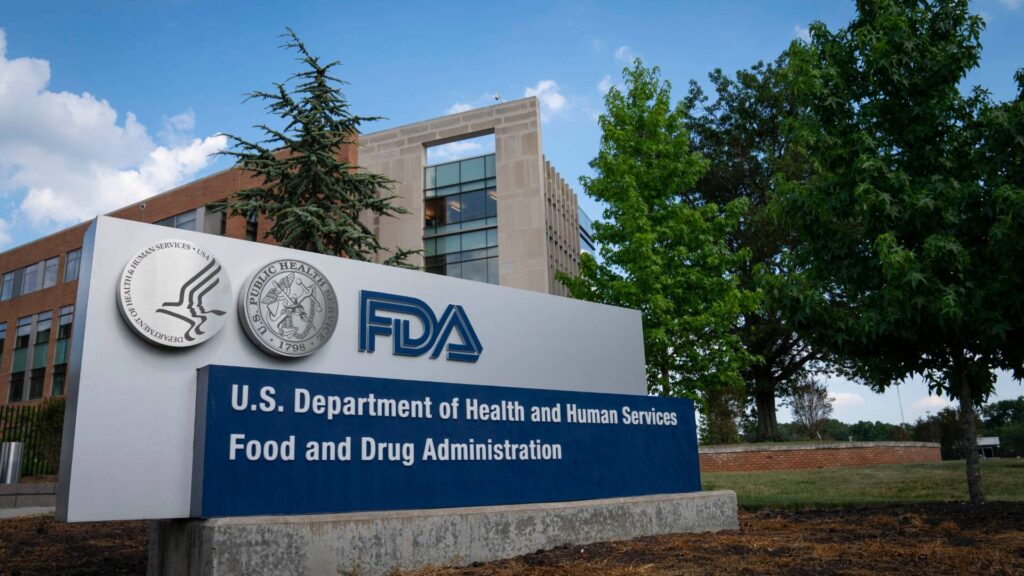
Several months have passed since the September 9th announcements by HHS and FDA of a three-pronged strategy attempting to limit and provide greater scrutiny on prescription drug marketing. It seems appropriate to review the impact that these actions have had on the healthcare marketing and pharmaceutical industries and what may follow.
In this edition, CHC will cover the impact of the “aggressive” CCN rule enforcement. Future issues will discuss other plausible FDA options as it relates to the September 2025 releases, including its authority for Rx advertising over social media and other broadcast channels, as well as is “adequate provision” really a loophole.
As you will recall, the White House cancelled a briefing that day and press releases were sent out that evening – HHS, FDA to Require Full Safety Disclosures in Drug Ads, followed by a FDA release, FDA Launches Crackdown on Deceptive Drug Advertising, along a Fact Sheet and a general letter sent to pharmaceutical companies.
The releases articulated a three-prong approach to reform direct-to-consumer (DTC) pharmaceutical advertisement policies, including:
1) Aggressive enforcement of DTC violations [of the 2023 Clear, Conspicuous & Neutral (CCN) final rule and related FDA regulation over Rx advertising];
2) Expanding regulatory oversight to encompass social media promotional activities; and
3) Rulemaking to remove the 1997 “Adequate Provision” loophole.
Over the coming weeks, CHC will discuss how each of these initiatives have unfolded and what are some plausible avenues that the FDA may undertake in the coming year. At this time, reports are that the goal for a draft “notice and comment” rulemaking would be by the end of the first quarter 2026. Subsequently, we have learned that this time schedule may be slipping. What is not known is whether the goal was meant for draft regulations to the Office of Management and Budget (OMB), a proposed rule published in the Federal Register, or revisions to FDA guidance.
Impact of “Aggressive” CCN Rule Enforcement
The releases said that FDA was issuing approximately 100 “cease-and-desist” letters. In actuality to date, over 50 FDA untitled letters related to Rx marketing have been issued to drug companies that the agency found not to be in compliance with the “Direct-to-Consumer Prescription Drug Advertisements: Presentation of the Major Statement in a Clear, Conspicuous, and Neutral Manner in Advertisements in Television and Radio Format” (CCN) final rule and other agency regulations. In a recent post on X, FDA Commissioner Dr. Marty Makary stated that “OPDP issues 72 ad/promo untitled and warning letters to companies for approved prescription drugs in 2025, not including compounded medicines.”
The vast majority of the FDA untitled letters issued have received “close-out” letters, indicating that the agency believes the company has resolved any noted violations. Overall, most of the issues raised in these untitled letters appear to have been largely resolved with reshoots or edits of the advertisements or promotional materials.
But its impact is notable. In brief, the enhance enforcement actions likely closes out 20 years of old habits – intended to be corrected by the CCN regulations – where a drug’s benefits were song and danced, and the risks were speed read. In a recently promoted interview, Commission Dr. Mary Makary emphasized that he believes it is the FDA’s duty to enforce two regulations that pharmaceutical TV ads cannot “create a misleading impression” and must have “a fair balance between risks and benefits.” In general, it’s easy to see that Rx ads have largely removed the big song and dance scenes and transitions are more understandable. Some companies also appear to be more careful in presenting efficacy and benefit claims.
What is also clear is that the agency is currently playing a “gotcha” game as it relates to “creating a misleading impression” through issuing the untitled letters without supporting how drug companies can continue to be in good faith compliance through explaining the enhanced enforcement in clarifying guidance or regulation, along with questions and answers to amend the 2023 CCN final rule. This creates an opportunity for the agency to codify the September tighter enforcement actions in a revised guidance or rule. Alternatively, the agency can continue to play a gotcha game until it oversteps (which has been known to happen) and is sued.
While the enhanced enforcement actions are notable, the impact of a series of entitled letters does not constitute longer-term policy making. Without being codified into updated FDA guidance or regulations, these enforcement actions will likely evaporate into the ether over time, or at the change of a department head or administration. Ultimately, it’s up to the agency to determine if the September enforcements are a flash in the pan or are truly intended to increase patient comprehension, safety and industry compliance.
In fact, this is the same situation that FDA found itself in the mid-1990s – playing a gotcha enforcement game on the “adequate provision” regulations. At that time, the agency then conducted a series of field hearings and a two-year rulemaking process that resulted in the August 1999 final guidance for industry “Consumer-Directed Broadcast Advertisements” published along with twelve Questions and Answers relating to the guidance. This all sets the stage for what other plausible options FDA may take in 2026.
For questions or further information, please contact Jim Potter, CHC Executive Director, at [email protected].