January is the expected launch of Administration’s TrumpRx and AmericasMedicines.com that are expected to implement direct-to-patient (DTP) drug discount pricing platforms by partnering with drug companies to sell drugs directly to patients at discounted cash prices, bypassing insurance and other middlemen, such as pharmacy benefit managers (PBMs).
To date, 16 of the 17 large pharmaceutical manufacturers sent a letter from the Administration at the end of July have agreed to voluntarily negotiated, Rx tariff waiver/price discounting deals that have reportedly included undisclosed price discounts to federal health programs (Medicare & Medicaid), commitments to reshoring pharmaceutical manufacturing to the US, and participation in Trump Rx. In exchange, drug companies reportedly are to receive waivers from US tariffs on drugs and the CMS ‘most favored nation’ proposed drug pricing rulemakings announced in December. Some analyses have put general DTP prices at 5% over what is paid to PBMs.
Why is this important to healthcare marketers?
The advent of DTP purchasing platform directly to consumers represents a new prescription drug engagement, distribution, and marketing channel. Advocates of this new model assert that the traditional commercialization of prescription drugs is fragmented, inefficient and restrictive, leading to delays in patient access to treatment. This new channel is also unique in that it will be supported and promoted by the Administration.
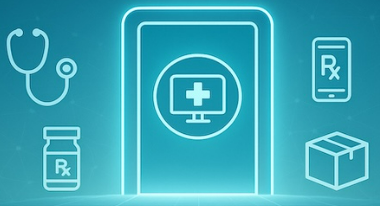
In brief, pharmaceutical companies offer select medications directly to patients at discounted cash prices – bypassing insurance and traditional pharmacy benefit structures and price markups. These direct-to-patient (DTP) programs allow consumers to purchase brand-name prescription drugs with more transparent pricing and simplified access. Some offer medication access through a specific pharmacy for home delivery, while other DTP programs issue savings cards the patient can use at participating pharmacies. The DPT model is not new, having been successfully deployed over the last few years by several telehealth compounding pharmacies.
As example, EVERSANA has taken the lead on developing this DPT model by combining the use of social media targeting advertising, specialized field deployment, telehealth, patient services, and dispensing.
By providing a patient-facing, technology-enabled model – as one channel with the overall commercialization strategy – brand teams can help to eliminate patient access, affordability and adherence barriers. DTP should now be recognized as a strategic commercial model that enhances operational efficiency, reduces costs, and supports patients throughout their treatment journey. EVERSANA
For more information about the Eversana DPT program, please read the article by Greg Skalicky entitled, The Promise of Direct-to-Patient – What’s Really Needed for Patient Access. As with any new commercialization model, there are still many unanswered questions. However, the Administration’s success in gaining voluntary deals with pharmaceutical companies makes DTP a new healthcare marketing channel to closely watch in 2026.
For questions or more information about this topic, please contact Jim Potter, CHC Executive Director, at [email protected]