In honor of national clam chowder day and a considerably snowy winter, please excuse the various culinary references to spice up an explanation of how the tariff policy actions are impacting the pharmaceutical and healthcare marketing industries. How many can you find?
This past week, the US Supreme Court ruled that the Administration does not have the authority to render bi-lateral or reciprocal tariffs under the International Emergency Economic Powers Act (IEEPA) for a list of countries including the EU (15%), Taiwan (20%) and China (34%). In response, the Administration whipped up yesterday a 150-day global tariff (thru July 24, 2026) on most goods of 10% (possibly increasing to 15%) under Section 122 of the Trade Act of 1974. While we may see some more immediate court challenges boil from this new tariff action, it’s important for marketers to sift through that the Section 122 tariff does not apply to pharmaceutical products and their ingredients.
Healthcare marketers need to also sop up that these “reciprocal emergency” tariffs are quite separate from the “national security tariffs” proposed rulemaking for pharmaceutical manufacturing and API resourcing. In fact, there is currently very meaty law and several historical precedents for this action as authorized under Section 232 of the Trade Expansion Act of 1962. In a 1976 ruling, the Supreme Court found that Section 232 “did not constitute an unconstitutional delegation.” And in the dissent opinion from last week, Justice Brett Kavanaugh added in a footnote that he assumes “the Court today does not intend to overrule” that 1976 decision.
You may recall the Department of Commerce announcement in April 2025 that it was dredging through Section 232 investigations to determine if reliance of imports for pharmaceuticals (as well as computer chips) threaten national security. With the recent Supreme Court ruling, it is even more likely that the Commerce Department will soon confirm this au jus reliance and begin the regulatory fermentation process, so that the Administration has the option to impose drug industry tariffs or other restrictions, as has been done for products like steel, aluminum, and copper.
Layering in the ‘MFN’ Voluntary Deals
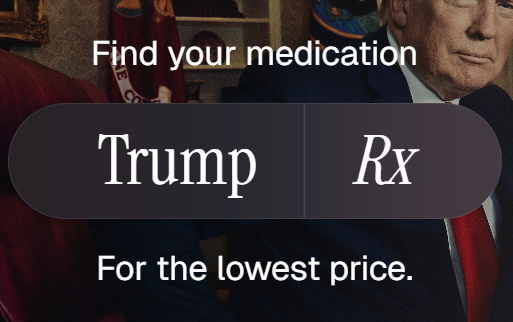
But wait, the roux thickens as we also have to layer in the recent Rx tariff waiver/price discounting or “most favored nation” deals that have been privately negotiated with the White House. To date, 16 of the 17 large pharmaceutical manufacturers sent a letter from the Administration at the end of July have agreed to voluntarily negotiated, Rx tariff waiver deals that have reportedly included undisclosed price discounts to federal health programs (Medicare & Medicaid), commitments to reshoring pharmaceutical manufacturing to the US – currently estimated at $420 billion, and participation in Trump Rx.
In exchange, drug companies reportedly are to poach waivers from US tariffs on drugs and the Center for Medicare and Medicaid Innovation (CMMI) ‘most favored nation’ proposed GLOBE (Medicare Part B) and GUARD (Part D) drug pricing demonstration programs announced in December. However, it is anticipated that trade groups, such as BIO and PhRMA, may legally challenge these two CMS demos based on the lack of clear legislative authority and are steamed about no formal public statements regarding the “MFN deals” having been granted CMMI demo waivers.
Clear As Policy Soup
The simmering question: Apart from the big 16, what’s the recipe for how other drug companies are tempering their response. There are some reports that some drug and biopharmaceutical companies have been proofing proposals to the White House to try to bake their own pricing, tariff waiver deal. At some point, the Administration may add some policy sweeteners, such more formally spreading the “MFN deals” process to all, and/or declaring that the MFN deals exempt companies from the CMMI pricing demos. Add to this some spice with a lump or two of litigation. Others will likely wait to see what broth the commander and ‘chef’ cooks up with the Section 232 national security tariff. But as the President appears to relish these pharma industry leveraging opportunities, the Rx policy skillet appears to be just heating up.
Whatever your political flavor, hopefully, you are now able to better digest this tariff policy soup to help prepare your next Rx marketing campaign with zest. Bon appetite!
For questions or further information, please contact Jim Potter at [email protected].